
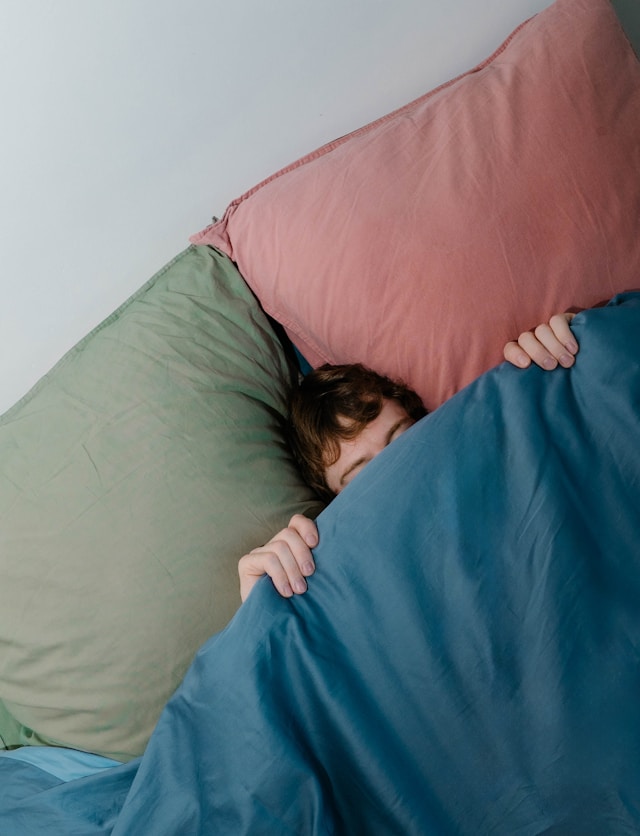
How to Get Better Sleep without Medication: Natural, Effective Tips
You really can get better sleep without popping pills. Sometimes, it just takes tweaking a few habits and routines.
The best way to improve your sleep naturally is to stick to a consistent sleep schedule and skip lying in bed when you’re not sleepy. That way, your body gets the hint about when it’s time to rest.
Try spending more time in natural light during the day. Keep your bedroom dark and quiet at night. If you’re still wide awake after 20 minutes, get up and do something low-key.
These little shifts work with your body’s rhythms. They help you drift into deeper, more refreshing sleep—no medication needed.
Key Takeaways
- Consistent sleep routines teach your body when to rest.
- Don’t stay in bed tossing and turning for long stretches.
- Simple lifestyle tweaks support better, natural sleep.
Fundamentals for Better Sleep Without Medication
Getting better sleep starts with habits that support your body’s natural rhythm. You’ll want to create a calm setting for rest.
Set a steady bedtime. Shape your bedroom for comfort. Wind down in ways that help you relax.
Follow a Consistent Sleep Schedule
Go to bed and wake up at the same time every day. This helps your sleep-wake cycle stay on track.
A regular routine makes it easier to fall asleep and wake up feeling rested. Try not to let weekends throw you off.
Aim for 7-9 hours of sleep. Steer clear of naps late in the day.
If you can’t fall asleep after 20 minutes, get up. Do something calming, like reading or deep breathing, until you feel tired again.
Cut down on blue light from screens at least an hour before bed. Put away phones, tablets, and computers to help your body reset for sleep.
Optimize Your Sleep Environment
Your bedroom should feel like a sleep sanctuary. Keep it cool, quiet, and dark.
Blackout curtains block street lights and help you sleep longer. Make your bed comfortable with a supportive mattress and cozy pillows.
Your body needs proper support to relax and avoid waking up sore. Add white noise or a fan to mask sudden sounds.
Keep clutter out of your room. Reserve your bed for sleep—skip work and TV in bed so your brain links the space with rest.
Establish a Relaxing Bedtime Routine
A calm routine before bed tells your brain it’s time to slow down. Try gentle stretching, deep breathing, or mindfulness exercises.
Spend 20-30 minutes winding down in dim lighting. Avoid screens and stimulating activities to help your body make melatonin.
Simple relaxation techniques like reading, soothing music, or a warm bath can make falling asleep easier. Consistency with your routine really pays off.
Natural Strategies and Lifestyle Habits to Improve Sleep
You don’t need medication to sleep better. Small lifestyle changes can make a surprising difference.
How you handle light, relaxation, diet, and exercise can all impact your sleep.
Limit Screen Time and Blue Light Exposure
Blue light from screens messes with your body’s melatonin. Melatonin’s the hormone that signals your brain to sleep.
Scrolling or streaming late at night can make it harder to drift off. Try to stop using screens at least 30 minutes before bed.
If you have to use them, turn on “night mode” or grab some blue light-blocking glasses. Keep your bedroom dark and quiet—blackout curtains or a white noise machine can help.
Avoid bright lights in the evening. Dim the lights and try relaxing activities instead.
Incorporate Relaxation and Mindfulness Techniques
Your mind needs a chance to relax before bed. Techniques like progressive muscle relaxation and deep breathing can lower stress and help you wind down.
Meditation or guided sleep meditation can quiet your thoughts. Even a few minutes of focused breathing reduces anxiety and sets you up for better sleep.
Cognitive Behavioral Therapy for Insomnia (CBT-I) often uses these relaxation methods. They’re worth trying if sleep feels elusive.
Build a bedtime routine with calming activities like reading, gentle yoga, or soft music. Skip anything stressful or stimulating before bed—your brain will thank you.
Enhance Sleep Through Diet, Exercise, and Supplementation
What you eat—and how active you are during the day—can really mess with your sleep at night. Try cutting back on caffeine after noon, since it lingers in your system for hours and tends to mess with your ability to fall asleep.
Skip heavy or spicy meals before bed, or you might end up with a grumpy stomach. Natural drinks like chamomile tea or tart cherry juice might help boost melatonin and get you feeling more relaxed in the evening.
Supplements like magnesium, valerian root, and lavender are popular for sleep support. Still, it’s probably smart to check with your doctor before adding anything new.
Getting regular physical activity during the day helps keep your body clock on track and can make sleep come easier. Try getting outside for some sunlight—your circadian rhythm will thank you.
Avoid hardcore workouts right before bed, though; they’re more likely to hype you up than wind you down. Gentle stretching or a bit of yoga before you hit the pillow can calm your muscles and make drifting off a little easier.