
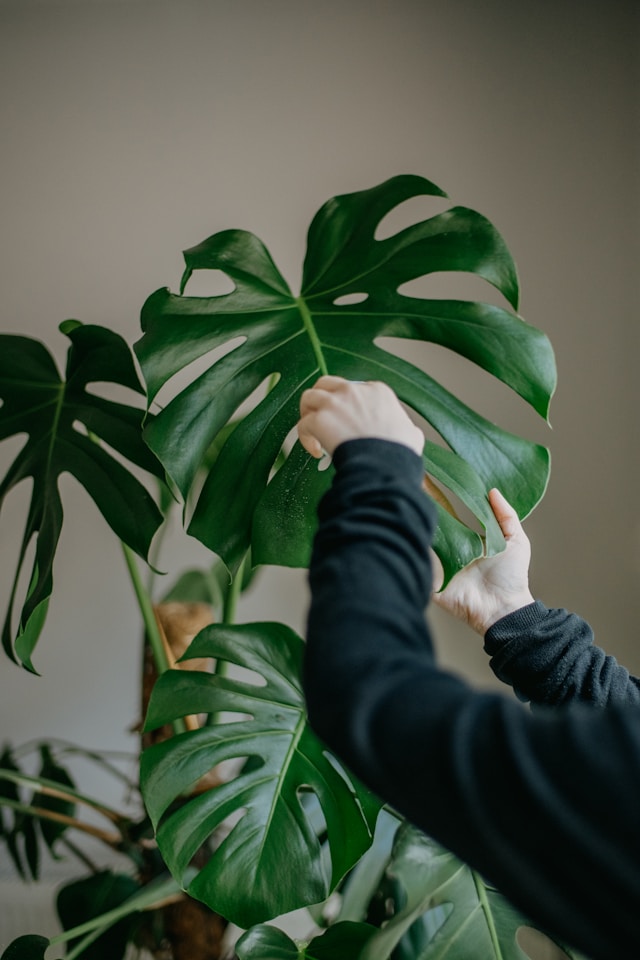
How to Keep Your Houseplants Alive and Thriving: The Complete Guide
Keeping your houseplants alive honestly isn’t as tough as it seems—once you get the hang of a few basics. The trick is to match each plant with the right combo of light, water, and soil, and notice what makes it happy.
Your plants react to how you care for them and the space they’re in. Figuring out their water needs, giving them enough light, and choosing well-draining soil puts them on the right path.
Little habits—like rotating your pots for even growth or giving a quick pest check—can really make a difference. It’s weird how something so small can change the whole vibe of your plant shelf.
Key Takeaways
- Pick plants that suit your home’s light and water situation.
- Use good soil and don’t drown the roots.
- Keep an eye on your plants to spot problems early.
The Essentials of Houseplant Care
Every plant wants something a little different: light, water, humidity, and temperature all matter. Creating the right environment helps them grow strong and look good.
Tiny tweaks, like moving a plant or changing your watering schedule, can have surprising results.
Choosing the Right Houseplants for Your Home
Start by picking plants that fit your space and how much time you have. Don’t have much sun or just getting started? Snake plants, pothos, or zz plants are forgiving choices.
If your windows are bright but not blazing, try a monstera or peace lily. Succulents and cacti need lots of sun, so they’ll want a spot by a south-facing window.
Think about your schedule too. Some tropical plants want more attention, especially with watering and humidity. Bathrooms and kitchens, thanks to the steam, can be perfect for humidity-loving plants.
Understanding Light Requirements
Light’s a big deal for houseplants. Most prefer bright, indirect light—direct sun can scorch their leaves.
A peace lily or spider plant will be happy in filtered light, maybe behind a sheer curtain. If your place is a bit dim, grab a grow light with a daylight bulb to help plants like African violets or orchids bloom.
Cacti and succulents? Stick them in a south-facing window for all that sunshine. For shady corners, cast-iron plants or pothos won’t complain.
Notice leggy stems or dropping leaves? Probably not enough light. Scorched spots? Too much.
Proper Watering Habits
Watering trips up a lot of people. Overwatering is honestly the biggest plant killer out there.
Always use pots with drainage holes so extra water can escape. That stops roots from sitting in water and rotting.
Check the soil before you water—just poke your finger in about an inch or two. If it’s still damp, wait a bit longer. Water when the root zone feels dry.
Use room-temp water, and pour slowly until some drains out the bottom. Don’t splash the leaves—stick to the soil to avoid mold and pests.
Different plants want different schedules. Succulents and cacti are fine with less water. Peace lilies and other tropicals like it a bit more regular, but never soggy.
Optimizing Humidity and Temperature
Tropical plants love humidity—over 50% if you can manage it. Most homes, especially in winter, are drier than they’d like.
Grouping plants or setting them on trays of pebbles and water can help boost humidity. A quick mist or a small humidifier works too.
Bathrooms and kitchens usually have more moisture in the air, so they’re great for monsteras or ferns. Try to keep temperatures steady, between 65°F and 75°F.
Keep plants away from drafts or heaters—sudden temperature swings stress them out. Tropical plants are fussier, but snake plants and ZZ plants handle a wider range.
Supporting Healthy Growth and Troubleshooting Issues
Healthy houseplants need the right soil, pots, food, and a bit of grooming. Staying alert for pests or weird leaf changes helps you catch problems early.
Selecting the Best Soil and Pots
The right potting mix matters. Go for a blend with peat, perlite, and compost.
Peat keeps things moist but airy, perlite helps drainage, and compost feeds the roots. Use pots with drainage holes to stop water from pooling.
Standing water leads to root rot—yellow leaves and floppy stems aren’t fun. When it’s time to repot, pick a pot just a little bigger than the last one.
Skip heavy garden soil; it’s too dense and holds too much water. A moisture meter can help if you’re unsure when to water.
Fertilizer and Nutrient Needs
Plants need food, but too much can do more harm than good. Use a balanced liquid fertilizer every 4 to 6 weeks during spring and summer.
Ease up in winter—plants don’t grow as much then. If you’ve got homemade compost, mix it into the soil when you repot for slow-release nutrients.
Watch for yellowing leaves or sluggish growth. If leaves yellow and the soil’s damp, you might be watering too much—or maybe it’s a nutrient thing. Adjust slowly and see how your plant responds.
Pruning and Repotting Techniques
Pruning helps keep your plant tidy and healthy. Use clean, sharp scissors and snip just above a leaf node to encourage new growth.
Repot every year or two. Pick a pot 1-2 inches bigger in diameter than the old one.
Add fresh potting soil and check the roots—healthy ones are white and firm. If you see brown, mushy roots, trim them off.
If roots are circling the pot, loosen them up before repotting. It gives the plant a better shot at adjusting to its new home.
Preventing and Managing Pests and Diseases
Watch out for houseplant pests like spider mites, aphids, and mealybugs. If you spot curling leaves, sticky spots, or tiny webs, those are usually the giveaways.
You can wipe pests off with a damp cloth. Spraying with insecticidal soap or neem oil works too, though it might take a couple of tries.
Sticky traps help catch flying bugs before they get out of hand. I like them because they’re non-toxic and easy to use.
Grouping plants boosts humidity, which most tropicals love. Just remember, if the air gets too still, mold can show up—so leave some space between your plants.
If you see infected leaves, snip them off right away. That stops diseases from jumping to healthy parts.
Letting air move around and watering at the base (not the leaves) keeps fungus at bay. Take a quick look at your plants often; catching issues early makes all the difference.