
How to Make Small Spaces Feel Bigger: Expert Tips for a Spacious Home
Small spaces can feel tight and crowded. Luckily, there are some pretty simple ways to trick the eye and make them look a whole lot bigger.
The key? Use light, clear out clutter, and pick colors and furniture that open things up. You don’t need to knock down walls or spend a fortune—just a few changes here and there can make a huge difference.
Letting in lots of light, keeping walkways open, and choosing soft, light colors will brighten up any room. Reflective surfaces and matching your furniture to the wall color help everything blend, so nothing feels boxed in.
The right furniture—think low-profile sofas or glass tables—can give you more breathing room. Suddenly, your place feels open, comfortable, maybe even a bit more relaxing.
Let’s get into some practical tips that can help your small room feel calm and roomy. You might be surprised at how much you can do with what you’ve already got.
Key Takeways
- Light and color have a huge impact on how open a small space feels.
- Less clutter and clear pathways make rooms seem bigger.
- Smart furniture and decor choices can really open up your space.
Foundations: Light, Color, and Decluttering
Making a small place feel bigger starts with a few basics: light, color, and what you decide to keep. When you let natural light in, pick the right shades, and keep clutter in check, your space just feels better. These are the building blocks for everything else you do.
Maximize Natural Light
Natural light makes a room feel bigger and more welcoming. Keep windows clear—skip the heavy curtains or blinds and go for sheers that let the light in but still give you privacy.
Move your furniture so it doesn’t block the windows. If you’ve got a dark or small room, hang a mirror across from the window to bounce sunlight around.
Don’t go for bulky or dark window treatments. Try mounting curtains high, close to the ceiling, to make your ceilings look taller. Clean windows also help—sounds obvious, but it works.
Use Mirrors and Reflective Surfaces
Mirrors can work magic in a small space. Hang a big one on the wall and you’ll double the sense of room by reflecting light and views.
Put mirrors opposite windows to bounce natural light deeper into your space. Mirrored or glass furniture, like a coffee table or nightstand, adds a little shine without feeling heavy.
Keep mirror frames simple so your walls don’t look crowded. Try smaller mirrored objects or wall tiles if a big mirror feels like too much.
Embrace Light and Neutral Colors
Light colors make a room feel open and bright. Paint your walls a soft white, beige, or a gentle pastel—these reflect light way better than anything dark.
Stick with light shades on big surfaces like walls and floors. You can still add a pop of color here and there, but keep the main palette neutral so things don’t get too busy.
Go for simple, calm colors in your furniture and textiles. Minimalism here helps everything feel more orderly and spacious.
Declutter and Organize Smartly
Decluttering is huge when it comes to making a small space feel bigger. Keep only what you use and love—be honest about it.
Sort through your stuff and get rid of duplicates or anything you haven’t touched in six months. Give every item a home, whether it’s a clear bin, a labeled box, or a basket.
Store things where you use them to stop random piles from forming. Try the “one in, one out” rule so clutter doesn’t creep back in. Less stuff means more room to breathe.
Furnishings and Design Strategies to Expand Space
Making a small room look bigger really comes down to the furniture you pick and a few clever design tricks. The right choices can totally change the vibe.
Choose Space-Saving and Multi-Functional Furniture
In a small room, every piece of furniture needs to pull its weight. Go for multifunctional furniture—think murphy beds that fold away or nesting tables that tuck under each other.
Look for built-in storage, like ottomans or benches with hidden compartments. These double as seats and storage, so you don’t need extra bins everywhere.
Keep the scale of your furniture small and simple. Pick pieces that fit the space but still do what you need—no sense in crowding the room.
Utilize Vertical and Hidden Storage
Use vertical storage to free up the floor and make use of your walls. Tall bookcases and floating shelves draw your eye up, giving you more space for your stuff.
Install built-in storage or hidden compartments if you can. Wall niches or under-bed drawers work wonders for keeping clutter out of sight.
Hang organizers inside closets or on walls for small items. These smart storage solutions keep surfaces clear and your room looking bigger.
Incorporate Transparent and Leggy Pieces
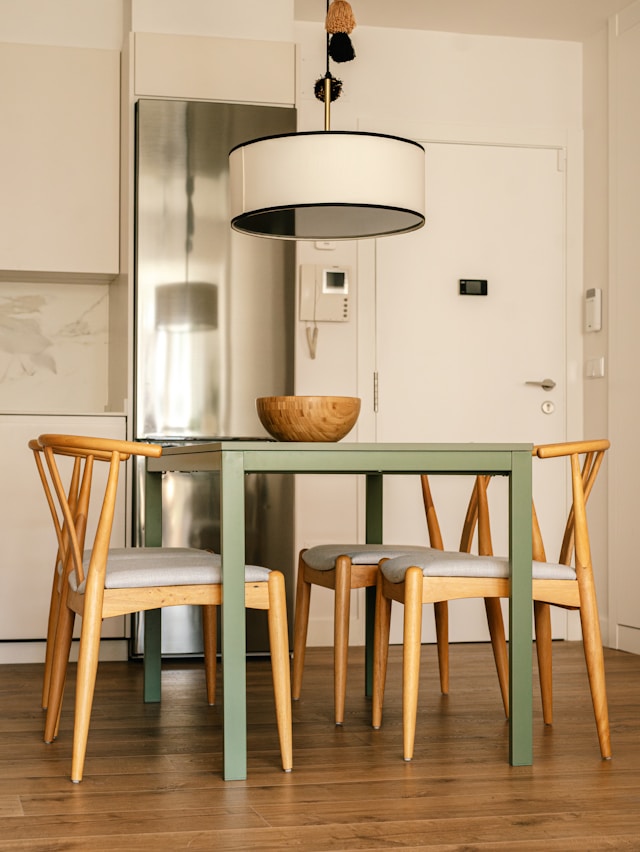
Furniture with legs opens things up because you can see the floor underneath. Go for sofas, chairs, and tables with slim legs—they don’t feel heavy or bulky.
Try transparent furniture like acrylic chairs or glass tables. These let light pass through and don’t take up much visual space.
Clear or leggy furniture keeps the flow going and stops the room from feeling cramped, even if you have a few pieces in there.
Create Visual Height and Cohesion
Hang your curtains high, right up near the ceiling—not just above the window frame. That little trick pulls the eye upward and somehow makes your walls seem taller than they really are.
Try using sheer curtains so sunlight can pour in. Natural light really opens up a space and gives everything a brighter vibe.
Want the room to feel taller? Go for vertical stripes in your rugs or maybe on an accent wall. Layer your lighting too—mix wall sconces, overhead lights, and a table lamp or two for depth and warmth, all without eating up precious floor space.
Stick to a consistent color palette and repeat a few design elements. It keeps things looking smooth, cohesive, and honestly, just a bit more spacious.